
Capital
Makhachkala — a seaside city of 700,000 on the Caspian, your arrival point and base.
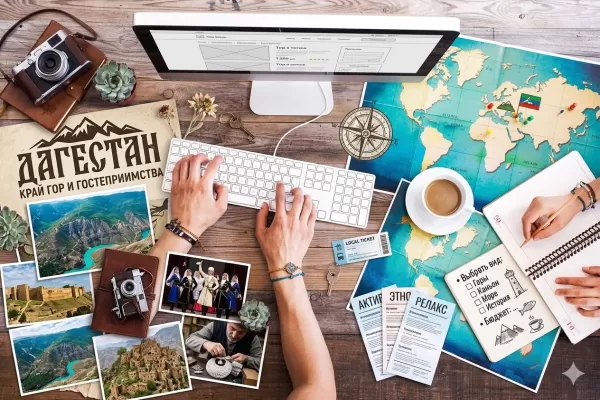
"The land of mountains." 50,000 km² of glaciers, deserts, vineyards and a sea coast. 33 peoples, 14 official languages, 2,000 years of layered history — and the warmest welcome in Russia.
A few numbers to set the scene before you arrive.
Makhachkala — a seaside city of 700,000 on the Caspian, your arrival point and base.
Russia's southernmost republic, between the Caucasus mountains and the Caspian Sea. Borders Azerbaijan and Georgia.
UTC+3 (Moscow time). Same as Istanbul, two hours ahead of Western Europe.
2.5 h flight from Moscow, 3 h from Istanbul. The airport (MCX) is 15 min from central Makhachkala.
Russian is the lingua franca. There are 14 official local languages including Avar, Dargin, Lezgian and Kumyk.
Russian ruble (RUB). International cards do not work — bring USD or EUR cash to exchange.
Drive an hour west from the Caspian beach and you're in subtropical lowlands. Another hour, you're on alpine pastures at 2,000 m. Another, glaciers and four-thousand-metre peaks. Within a single weekend you can swim in the sea, climb a sand dune, walk through a slot canyon and drink mountain spring water at 3,000 m.
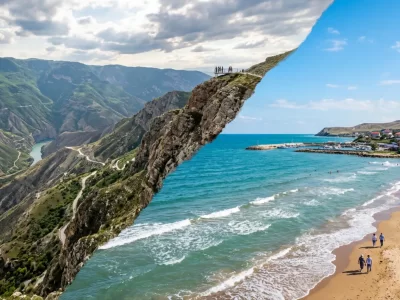
"In the morning, you swim in the sea. In the afternoon, you walk among the clouds."
Mountains shape the seasons here more than the calendar.
Mountains green and flowering, waterfalls at full power, fewer travelers. Lowlands warm by mid-April.
Peak season. Warm Caspian water, perfect alpine weather, every village kitchen at full speed. Book early.
Gold and red on the plateaus, grape harvest in Derbent, photographer's paradise. Our personal favorite.
Most mountain roads snow-bound. Derbent, the coast and Makhachkala remain accessible — quiet, atmospheric, very affordable.
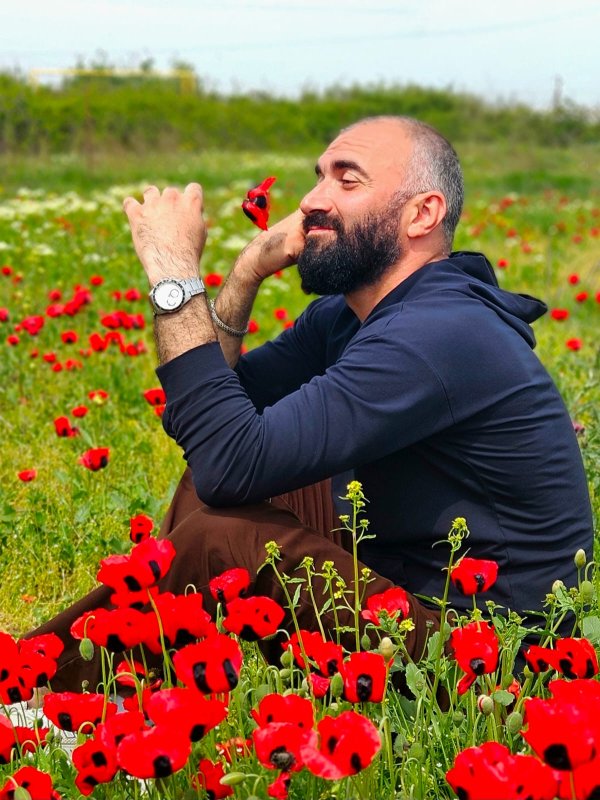
Dagestan is the most ethnically diverse region of Russia and one of the most diverse in Europe. Avars, Dargins, Kumyks, Lezgians, Laks, Tabasarans, Russians and many more share the same valleys, often with their own language in each village. For travelers it means the food, the music and even the architecture can change in a single hour's drive.
Dagestani cooking is the cousin of Persian, Turkic and mountain-pastoral kitchens — meat-forward, spice-light, herb-heavy, and built around things that grow at altitude.
We accommodate vegetarian, vegan, halal, kosher and allergy diets — tell us at booking and we'll brief every kitchen.
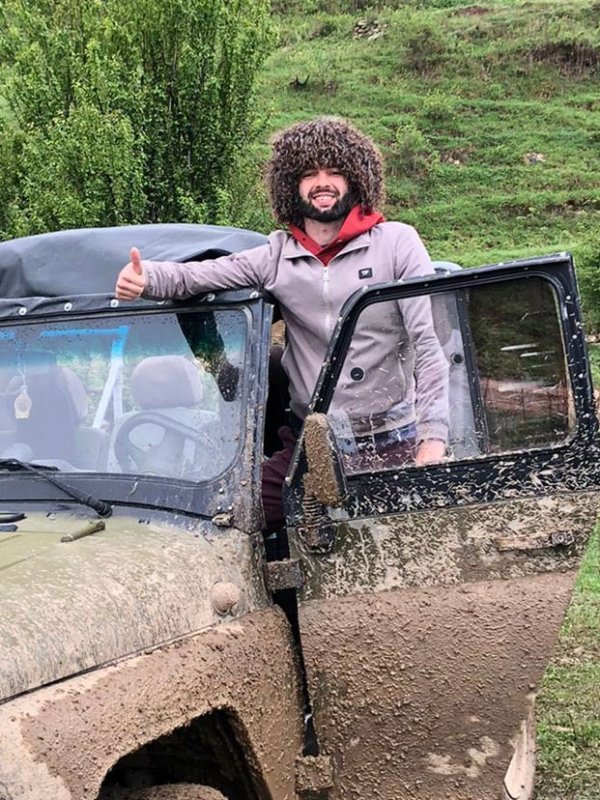
Honest answers to the questions everyone asks before booking.
Yes. The historical perception of the North Caucasus as dangerous is decades out of date. Today Dagestan is calm, well-policed, and tourism is a regional priority. Locals routinely tell visitors they feel safer here than at home — partly because hospitality codes mean strangers are looked after as guests of the whole village. Our drivers are licensed, our routes are filed with local authorities, and we carry 24/7 support and group insurance on every trip.
Casual and modest. Shorts and sleeveless tops are fine on the beach and in big-city restaurants, but cover knees and shoulders when visiting mountain villages and religious sites. Women should bring a light scarf for mosque visits.
International Visa and Mastercard do not work in Russia. Bring US dollars or euros in cash and exchange to rubles at any bank in Makhachkala — Sberbank and VTB are reliable. ATMs accept only locally-issued cards. Budget about $30–50 per day for personal spending on a tour package.
City and most hotel WiFi is fine. In remote mountain villages signal can vanish entirely. A local SIM card (MegaFon or MTS) costs around $10–15 for a week of generous data; we can help you buy one on arrival. WhatsApp and Telegram both work normally.
Available — Dagestan has Russia's oldest winery (Derbent) and its own brandy tradition. Out of respect, do not drink openly in mountain villages or near mosques. In Makhachkala and Derbent it is unremarkable.
Landscapes — go wild. Of people — ask first; most locals are happy to be photographed but it is considered rude not to ask. Avoid photographing military or police facilities. Drones require advance permission, which we can arrange.
Not obligatory. In Makhachkala restaurants 5–10% for good service is appreciated. For your guide and driver at the end of a multi-day tour, a tip of $20–40 per day total is generous and welcome.